

What does Viagra do to a man? It’s a question that gets asked far more often than people admit, and the answer is both more nuanced and more interesting than most sources let on. The published evidence is clear, the mechanism is well understood, and yet myths about this medication persist at a remarkable scale. So let’s look at what the science actually says, compare the realities against the misconceptions, and give you something genuinely useful.
How Does Viagra Work? The Science Behind Sildenafil
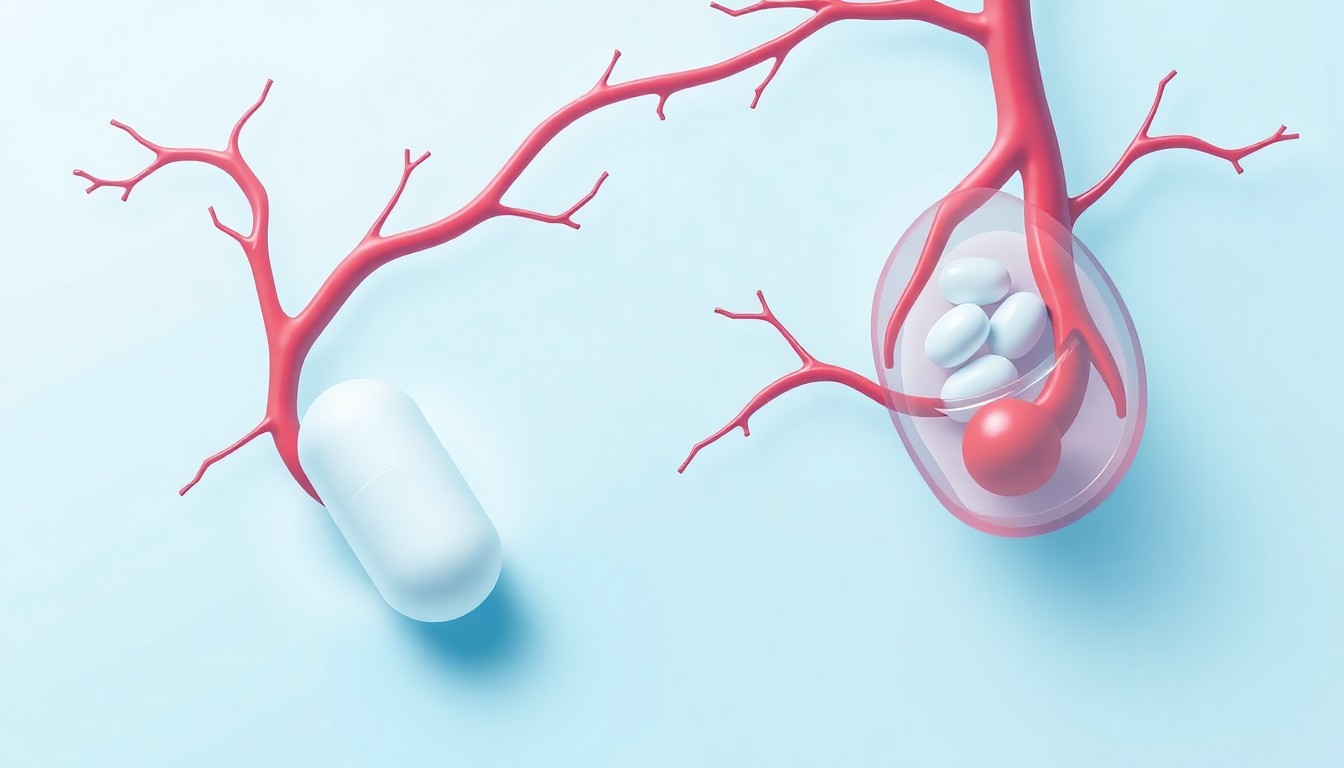
Viagra’s active ingredient is sildenafil citrate, a compound that belongs to a class of drugs called PDE-5 inhibitors. To understand what it does, you first need to understand the problem it’s solving.
Erections depend on blood flow. Specifically, they depend on blood flowing into the spongy tissue of the penis (the corpora cavernosa) and staying there long enough to produce and maintain rigidity. That process is regulated by a cascade of chemical signals, and in men with erectile dysfunction, something in that cascade breaks down.
Here’s where sildenafil comes in. When a man is sexually aroused, nerve endings in the penis release nitric oxide. Nitric oxide triggers the production of a molecule called cyclic GMP (cGMP), which relaxes smooth muscle in the blood vessel walls and allows them to dilate. More dilation means more blood can flow in. The problem is that an enzyme called phosphodiesterase type 5 (PDE-5) breaks down cGMP, cutting off that signal. Sildenafil blocks PDE-5, which means cGMP sticks around longer, the blood vessels stay dilated, and the erection is easier to achieve and sustain1.
According to NHS guidance, sildenafil works by relaxing the blood vessels in the penis, allowing more blood to enter when a man is sexually stimulated1. That last part matters enormously, and we’ll come back to it.
What Happens When a Man Takes Viagra: Step-by-Step Process
It’s useful to think of the process in distinct stages, because this helps separate what the drug actually does from what people assume it does.
- Ingestion and absorption: Sildenafil is taken orally, usually as a tablet. It’s absorbed through the digestive system and enters the bloodstream. On an empty stomach, this happens relatively quickly.
- Distribution: The drug circulates through the body and reaches the smooth muscle tissue of the penile blood vessels, where PDE-5 is concentrated.
- Enzyme inhibition: Sildenafil binds to and blocks PDE-5. At this point, nothing visible happens. The man does not get an erection simply from the drug being in his system.
- Sexual stimulation: When arousal occurs, nitric oxide is released. Because PDE-5 is blocked, the cGMP it would normally destroy accumulates instead.
- Vasodilation and erection: cGMP causes smooth muscle relaxation and vasodilation. Blood flows into the corpora cavernosa. An erection occurs and is easier to maintain.
- Natural resolution: When arousal ends, the erection subsides naturally. Sildenafil does not prevent detumescence.
This step-by-step picture makes clear why so many men are disappointed the first time they take the medication without understanding it. It’s not a switch. It’s an amplifier of a process that still needs to be initiated by the body.
Timing and Duration: When Does Viagra Start Working?

According to NHS guidance, sildenafil typically starts working within 30 to 60 minutes of taking it1. Most clinical guidance suggests allowing at least an hour before sexual activity to be confident of the drug’s effect.
But here’s the thing: individual variation is real. Some men find it kicks in closer to 30 minutes, especially on an empty stomach. Others find it takes closer to 90 minutes, particularly after a large meal. High-fat food slows gastric emptying, which delays absorption. Alcohol doesn’t help either, and can reduce effectiveness while also increasing the likelihood of side effects like dizziness.
In terms of duration, the effects of sildenafil typically last around four hours. This doesn’t mean a four-hour erection (that would be a medical emergency, actually, called priapism). It means the drug remains active in the body and continues to enhance the erectile response to arousal for roughly that window of time.
Sildenafil has a half-life of approximately three to five hours, meaning it takes that long for the body to eliminate half the dose. This is why effects tail off gradually rather than stopping abruptly.
The Role of Nitric Oxide and PDE-5 Inhibition
This section gets a bit more technical, but it’s worth understanding because it answers a lot of the “but why” questions people have.
Nitric oxide is a signalling molecule, not a gas you breathe in (despite the name). It’s produced locally in the penile tissue in response to nerve stimulation during arousal. Think of it as the starter signal. Without it, the whole downstream process doesn’t begin, which is exactly why Viagra cannot produce an erection in the absence of arousal.
PDE-5 is, in a sense, the body’s built-in off switch for erections. It breaks down cGMP to prevent erections from being permanent. That’s actually a useful function. What sildenafil does is temporarily reduce the sensitivity of that off switch, so the erection can occur more easily and last longer during sexual activity. It’s a targeted intervention in a specific biochemical pathway, not a blanket stimulant3.
This specificity is also why sildenafil has relatively few systemic effects compared to older vasodilating drugs. PDE-5 is concentrated in penile tissue and the lungs, which is why the drug works where it does and why it has a secondary medical application in pulmonary conditions.
Sildenafil doesn’t create desire, manufacture arousal, or override the body’s systems. It works with them, selectively and temporarily, to lower the threshold for a natural physiological response.
Common Side Effects and Safety Considerations

What does Viagra do to a man in terms of unwanted effects? This is where honesty matters, because dismissing side effects entirely does men a disservice, but so does overstating the risks.
The most commonly reported side effects, according to NHS guidance, include1:
- Headaches (the most frequent, caused by vasodilation)
- Facial flushing (redness and warmth, again due to dilated blood vessels)
- Indigestion or stomach upset
- Nasal congestion
- Dizziness
- Visual disturbances (a bluish tinge to vision, or increased light sensitivity, less common)
Most of these are mild and temporary. They’re a direct consequence of the drug’s vasodilatory mechanism, which doesn’t only affect penile blood vessels. Headaches in particular are almost a predictable outcome at higher doses, because the blood vessels in the scalp also dilate.
Other medications that interact significantly with sildenafil include alpha-blockers (used for high blood pressure or prostate conditions), certain HIV medications, some antifungal drugs, and some antibiotics. Always disclose your full medication list to whoever is prescribing or supplying sildenafil.
I remember a conversation with a pharmacist friend of mine who mentioned that the number of men who don’t mention they’re on nitrates when asking about sildenafil is genuinely alarming. They assume it’s not relevant. It very much is. Anyway, the point is: full disclosure to your healthcare provider is non-negotiable here.
Viagra for Erectile Dysfunction vs. Pulmonary Hypertension

Most people associate Viagra exclusively with erectile dysfunction, but sildenafil has a second, entirely separate medical application: pulmonary arterial hypertension (PAH).
| Use | Typical Dose | Mechanism | Brand Name |
|---|---|---|---|
| Erectile dysfunction | 25mg, 50mg or 100mg as needed | Inhibits PDE-5 in penile tissue, improving blood flow during arousal | Viagra / Generic sildenafil |
| Pulmonary arterial hypertension | 20mg three times daily (typical) | Inhibits PDE-5 in pulmonary vasculature, reducing lung artery pressure | Revatio / Generic sildenafil |
The mechanism is identical in both cases: PDE-5 inhibition causes vasodilation. In PAH, the target is the blood vessels in the lungs rather than the penis. Relaxing those vessels reduces the pressure the right side of the heart has to work against, which can significantly improve quality of life and exercise capacity in people with this serious condition2.
This dual application is a good reminder that sildenafil is a proper pharmaceutical with a well-characterised mechanism, not simply a lifestyle drug.
Can You Take Viagra Without Sexual Arousal?
No. And this is probably the single most important thing to understand about what Viagra does to a man.
Sildenafil does not produce erections on its own. It has no effect on libido. It doesn’t increase testosterone. It doesn’t stimulate the nervous system. Without the nitric oxide signal that comes from sexual arousal, the entire downstream mechanism that sildenafil relies on simply doesn’t activate.
This is why men who take sildenafil and then sit quietly watching television will notice nothing. The drug is present in their system, PDE-5 is inhibited, but because there’s no arousal, no nitric oxide is being released, no cGMP is building up, and nothing happens. The medication is essentially waiting.
Does Viagra improve sexual performance beyond treating erectile dysfunction? This is a question that comes up often, and the honest answer is: not meaningfully, in men without erectile dysfunction. Studies have not shown consistent benefits in men with normal erectile function, and using sildenafil recreationally carries the same side effect and interaction risks as therapeutic use, without the clinical justification.
How Long Does Viagra Last and How Often Can You Take It?
The effects of a standard sildenafil dose last approximately four hours, though this varies between individuals. Some men find the window is slightly shorter; others find effects persist a little longer. Age, liver function, kidney function and other medications can all influence how the body processes the drug.
In terms of frequency, the standard guidance is no more than one dose per 24 hours. Taking more than one dose in a day doesn’t increase effectiveness. It does increase the concentration of the drug in the bloodstream and, with it, the likelihood and severity of side effects.
For men wondering about the current sildenafil pricing in the UK, it’s worth knowing that generic sildenafil is now widely available and considerably more affordable than branded Viagra, while being bioequivalent.
Daily low-dose sildenafil is sometimes prescribed for pulmonary hypertension, and some clinicians do prescribe it daily for erectile dysfunction in specific circumstances. But this should always be under medical supervision, not a self-directed decision.
Addressing the Myths: What Viagra Does Not Do
Look, there’s a lot of misinformation floating around about this medication. Some of it is harmless confusion. Some of it could genuinely lead men to misuse the drug or avoid it when it could help them. So let’s be direct.
- Viagra is not addictive. There is no physical dependence mechanism. Some men develop psychological reliance, but this is different from pharmacological addiction.
- Viagra does not increase sex drive. Libido is governed by testosterone and psychology. Sildenafil doesn’t touch either.
- Viagra does not make erections harder in men without erectile dysfunction. The evidence for this is weak and inconsistent.
- Viagra does not affect fertility or sperm. At therapeutic doses, no clinically significant impact on sperm has been demonstrated.
- Viagra is not a contraceptive. It provides no protection against sexually transmitted infections.
It’s genuinely frustrating how often these myths circulate, particularly online, because they either create false expectations or unnecessary anxiety. The drug does one thing well: it helps men with erectile dysfunction achieve and maintain erections during sexual activity. That’s it. That’s the evidence.
This content is for informational purposes only and does not constitute medical advice. Always consult a qualified healthcare professional before starting any new supplement, herbal remedy, or treatment plan. Do not use this information to diagnose or treat any health condition without professional guidance.
Related treatments from Viagra Pills UK
Regulated UK pharmacy. Prescription required where applicable.
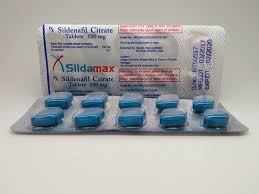
Sildenafil Citrate 100mg
What is Sildenafil? Sildenafil is a drug used for erectile dysfunction in men. It is the generic form of the well-known drug, Viagra. Silden
Order treatment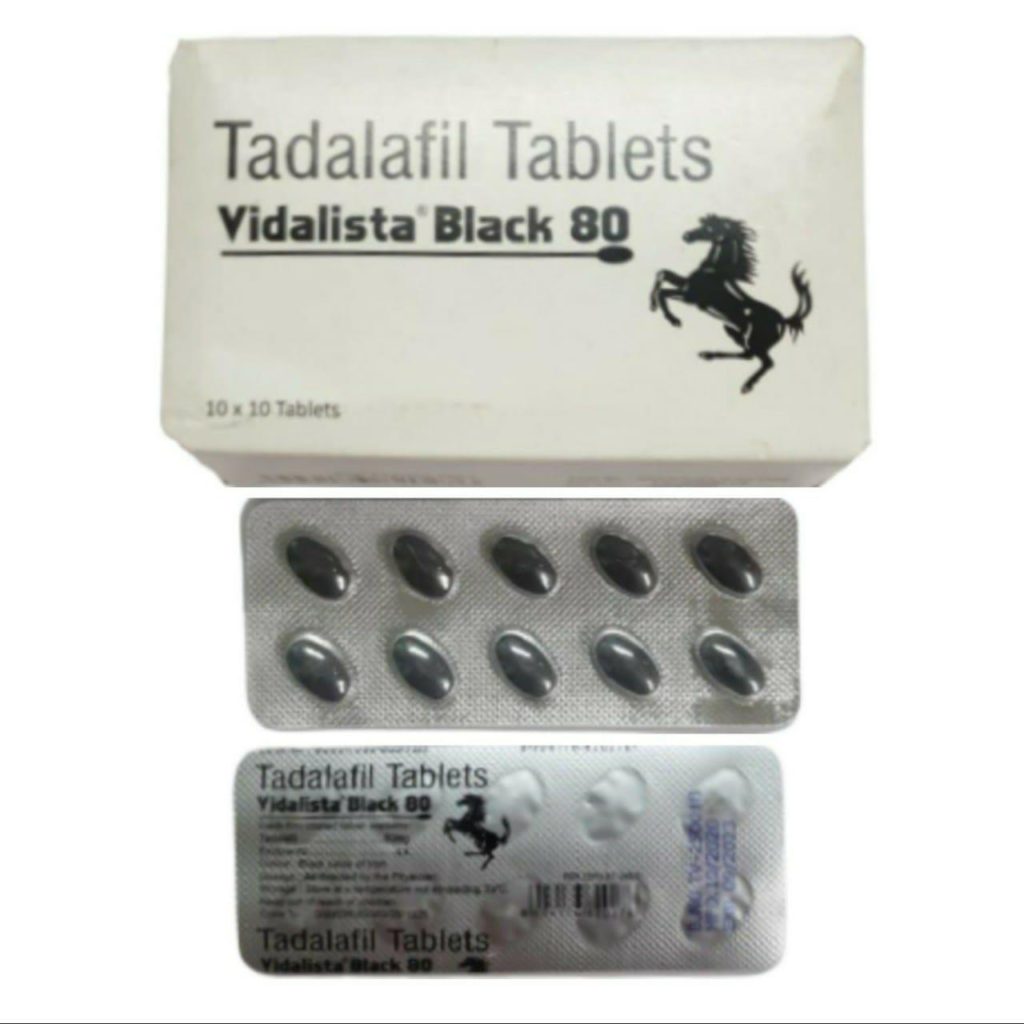
Vidalista 80mg
What is Vidalista 80? Tadalafil relaxes muscles of the blood vessels and increases blood flow to particular areas of the body. Tadalafil und
Order treatment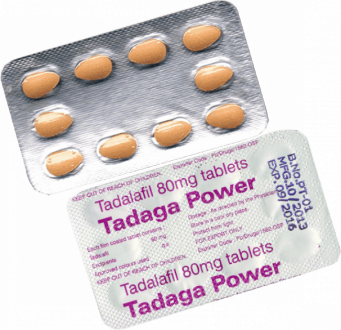
Tadaga Power 80mg Tadalafil Tablets
Tadaga Power is a strong alternative of Cialis containing 80 mg of active ingredient Tadalafil. Tadaga power is used to treat more serious e
Order treatment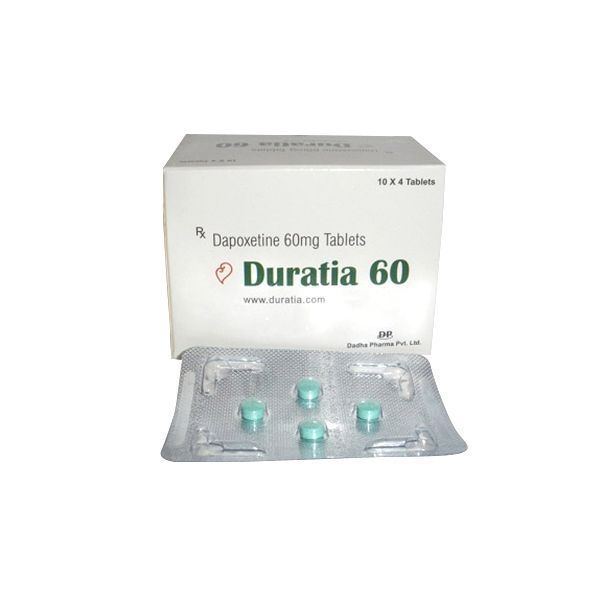
Duratia 60mg (Dapoxetine)
Duratia 60 mg (Dapoxetine) medication possesses an active component Depoxetine. This is among the first component created particularly for t
Order treatment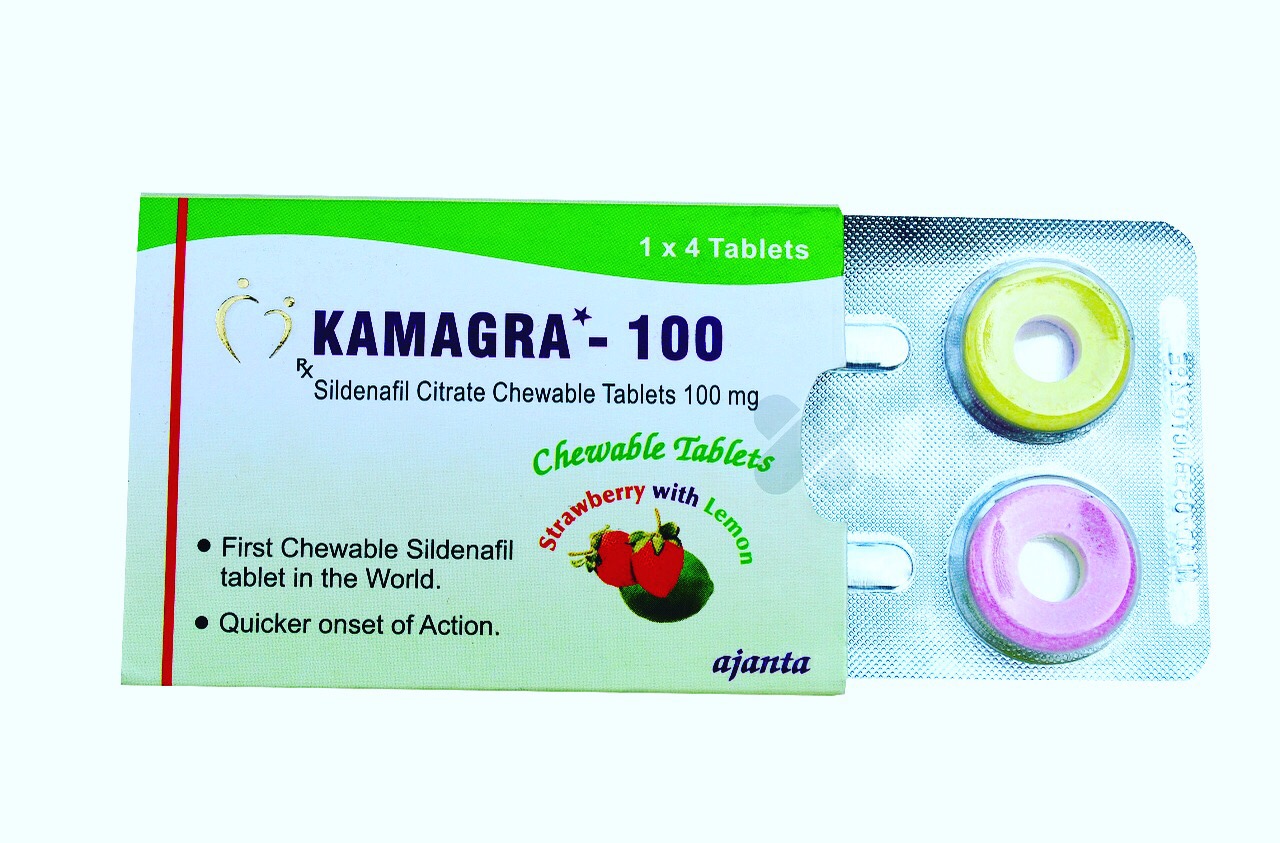
Kamagra Chewable Tablets 100mg - Sildenafil Citrate
Kamagra Chewable Tablets are a popular alternative to Viagra™ and being chewable and thus easy to swallow, they are a great choice for anyon
Order treatment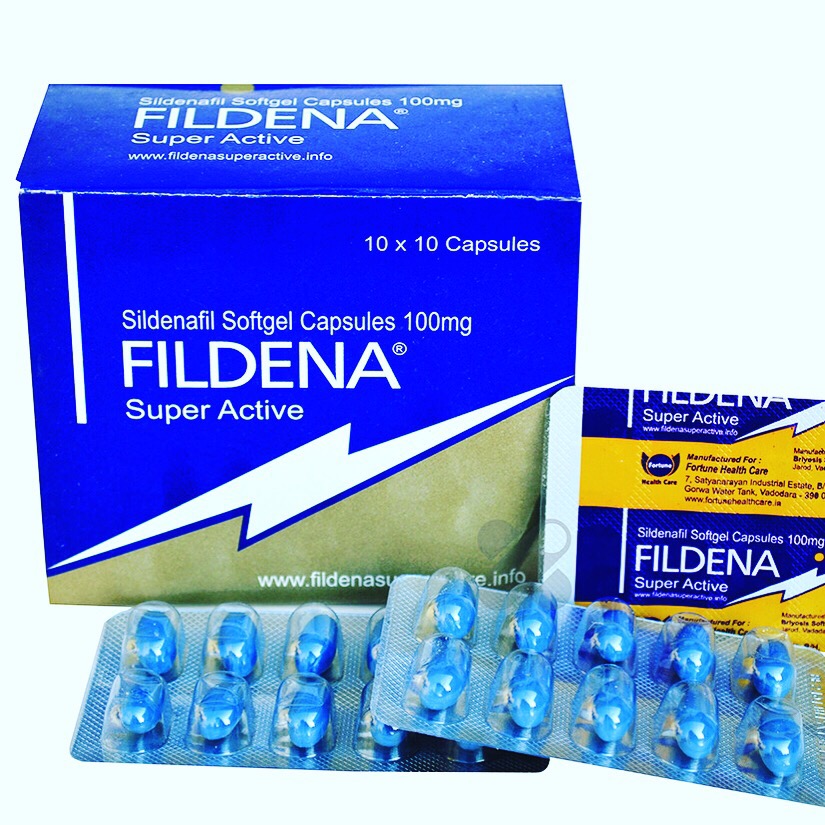
Fildena Super Active (sildenafil citrate) Softgel Capsules
What Is Fildena Super Active? Fildena Super Active (Sildenafil Softgel Capsule 100mg) is the solution you seek if you have sexual impotence.
Order treatmentTreatments listed here are offered subject to online consultation. GPhC-registered pharmacy.
References
- Sildenafil (Viagra) – NHSnhs.uk
- Erectile dysfunction – NHSnhs.uk
- Sildenafil – BNFbnf.nice.org.uk
Frequently asked questions
What does Viagra do to a man exactly, in simple terms?
Viagra (sildenafil) blocks an enzyme called PDE-5, which normally restricts blood flow to the penis. When that enzyme is blocked during sexual arousal, blood vessels relax and more blood flows in, producing an erection. It does not create arousal on its own. Sexual stimulation is still required for the medication to have any visible effect.
How long does Viagra take to start working after you take it?
According to NHS guidance, sildenafil typically begins to work within 30 to 60 minutes of taking it. Some men notice effects a little sooner, particularly on an empty stomach. A heavy, fatty meal can slow absorption and delay the onset by an hour or more, so timing your dose around meals matters.
Does Viagra work without sexual arousal or excitement?
No. This is one of the most common misconceptions about the medication. Viagra does not cause an automatic erection. It only enhances the body’s natural response to sexual stimulation by improving blood flow. Without arousal, the nitric oxide pathway that sildenafil depends on is simply not activated.
What does Viagra do to a man in terms of side effects?
The most commonly reported side effects include headaches, facial flushing, indigestion, nasal congestion and dizziness. These are generally mild and short-lived. More serious effects, such as sudden vision or hearing changes, are rare but require immediate medical attention if they occur.
Is it safe to take Viagra every day?
Sildenafil can be taken daily at lower doses, particularly when prescribed for pulmonary hypertension, but daily use for erectile dysfunction should only happen under medical supervision. Taking it more frequently than recommended does not improve effectiveness and may increase the risk of side effects. Always follow the guidance of a qualified healthcare professional.
What medications should not be taken with Viagra?
Nitrate medications (commonly prescribed for chest pain) are the most dangerous combination with sildenafil and must never be used together, as the interaction can cause a severe, potentially life-threatening drop in blood pressure. Alpha-blockers, certain antifungals, HIV protease inhibitors and some antibiotics can also interact. Always disclose all medications to your prescriber before starting sildenafil.
Can Viagra be used for conditions other than erectile dysfunction?
Yes. Sildenafil is also prescribed to treat pulmonary arterial hypertension, a serious condition involving high blood pressure in the arteries of the lungs. The mechanism is the same: relaxing blood vessels via PDE-5 inhibition. The doses used for pulmonary hypertension are typically different from those used for erectile dysfunction, and the two applications are managed separately by clinicians.


